Banned F1 cars that never cheated, ranked by how fast F1 killed them
Six Formula 1 cars were legal when they raced and banned anyway. The fan car lasted 6 days after its only win; Mercedes’ DAS was banned 16 weeks before anyone saw it.
Listen to this article
10:33 narration
Or click any word in the article to start the narration from there.
Watch the video version (20:15)
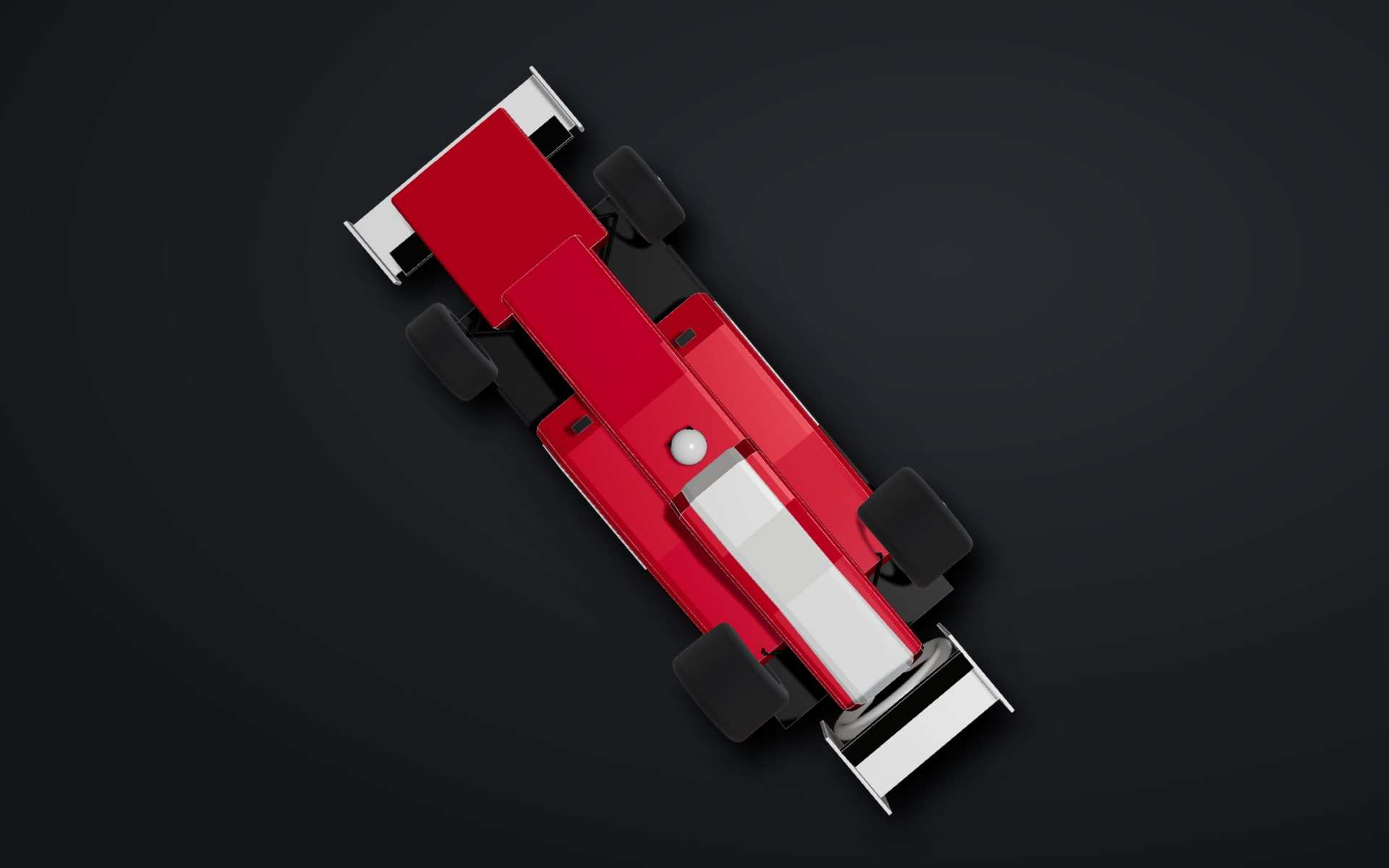
Brabham BT46B fan car, seen from above — our 3D model. Illustration by The Second Grid; simplified, not to scale.
- #62 seasons
- #52 seasons
- #410 months
- #33 weeks
- #26 days
- #1−16 weeks
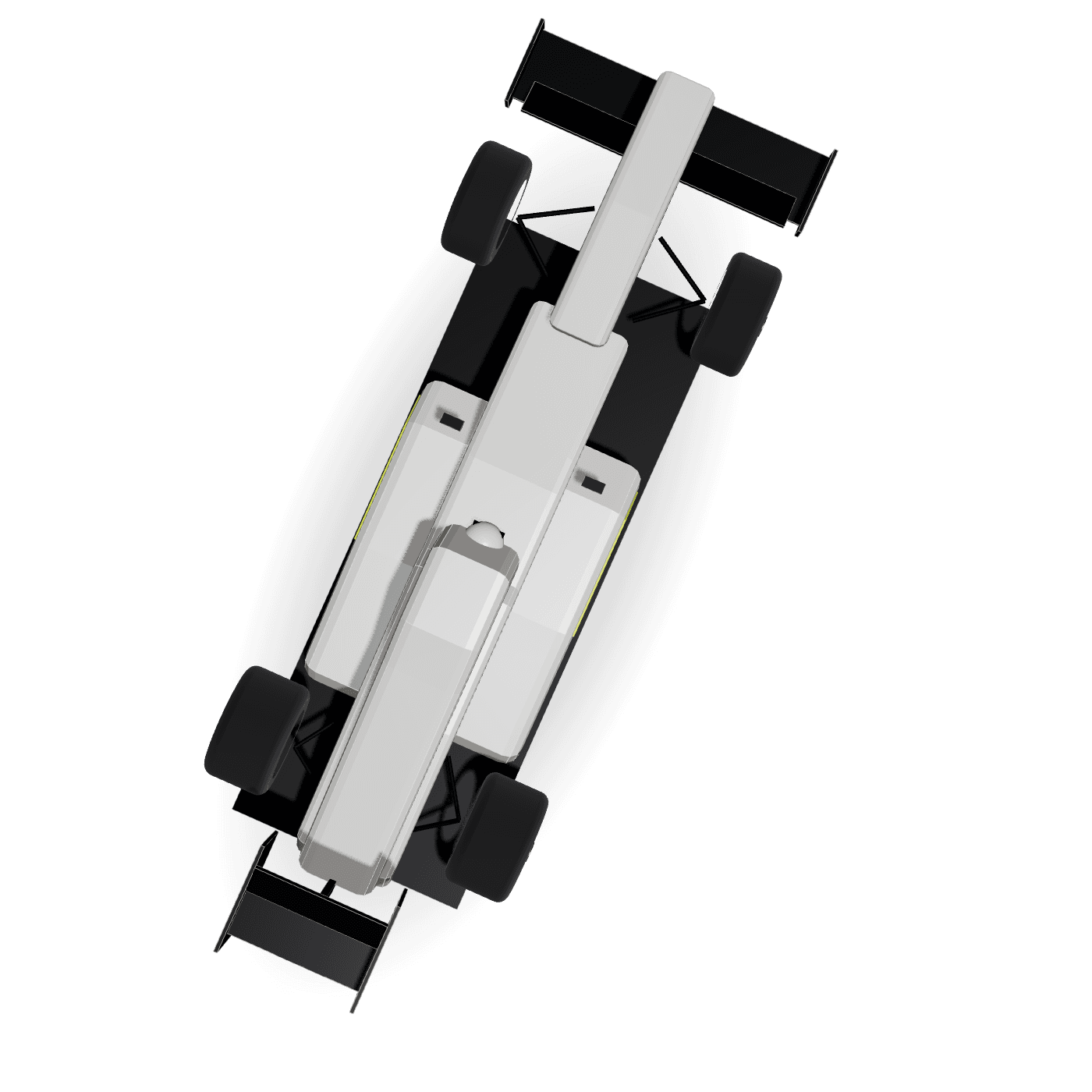
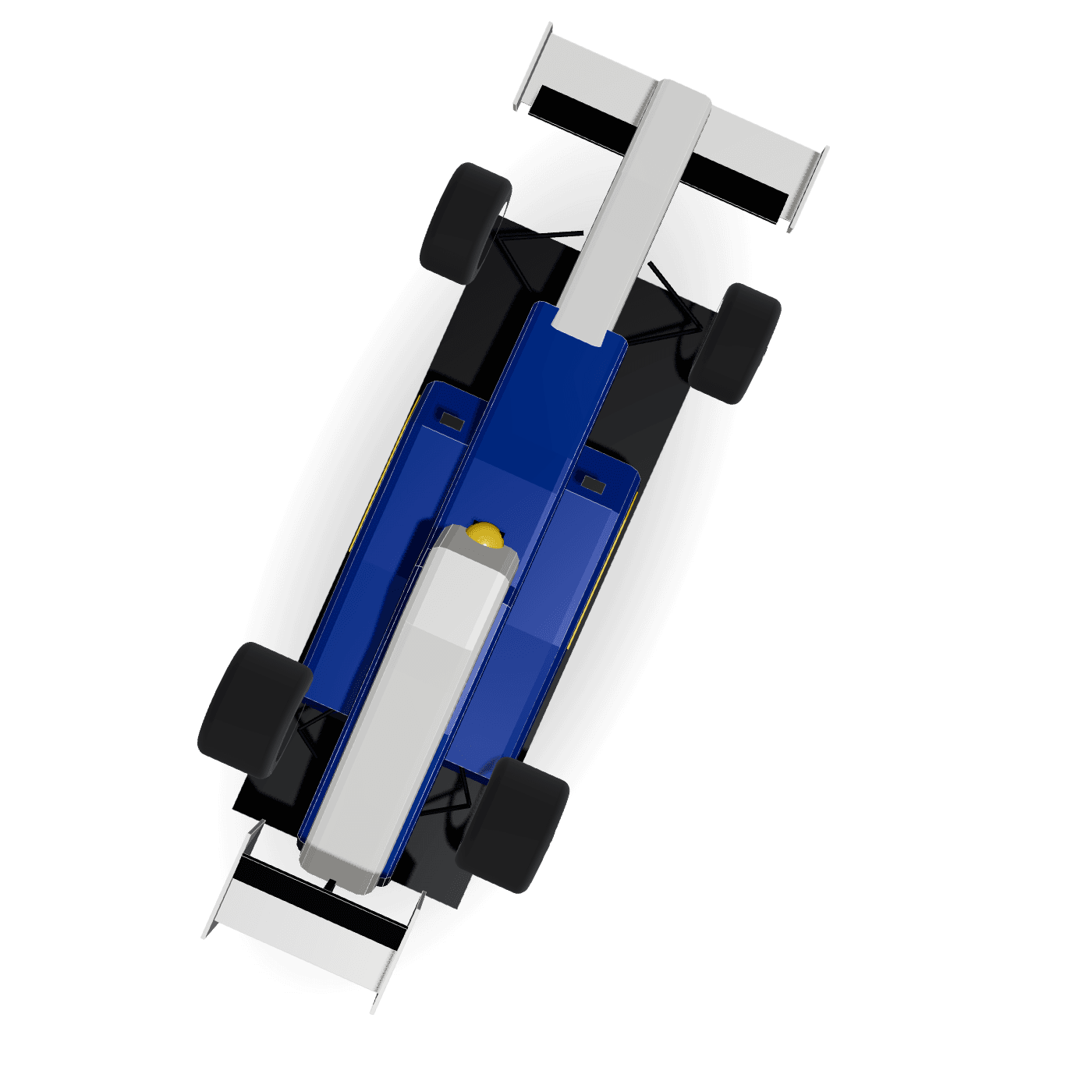
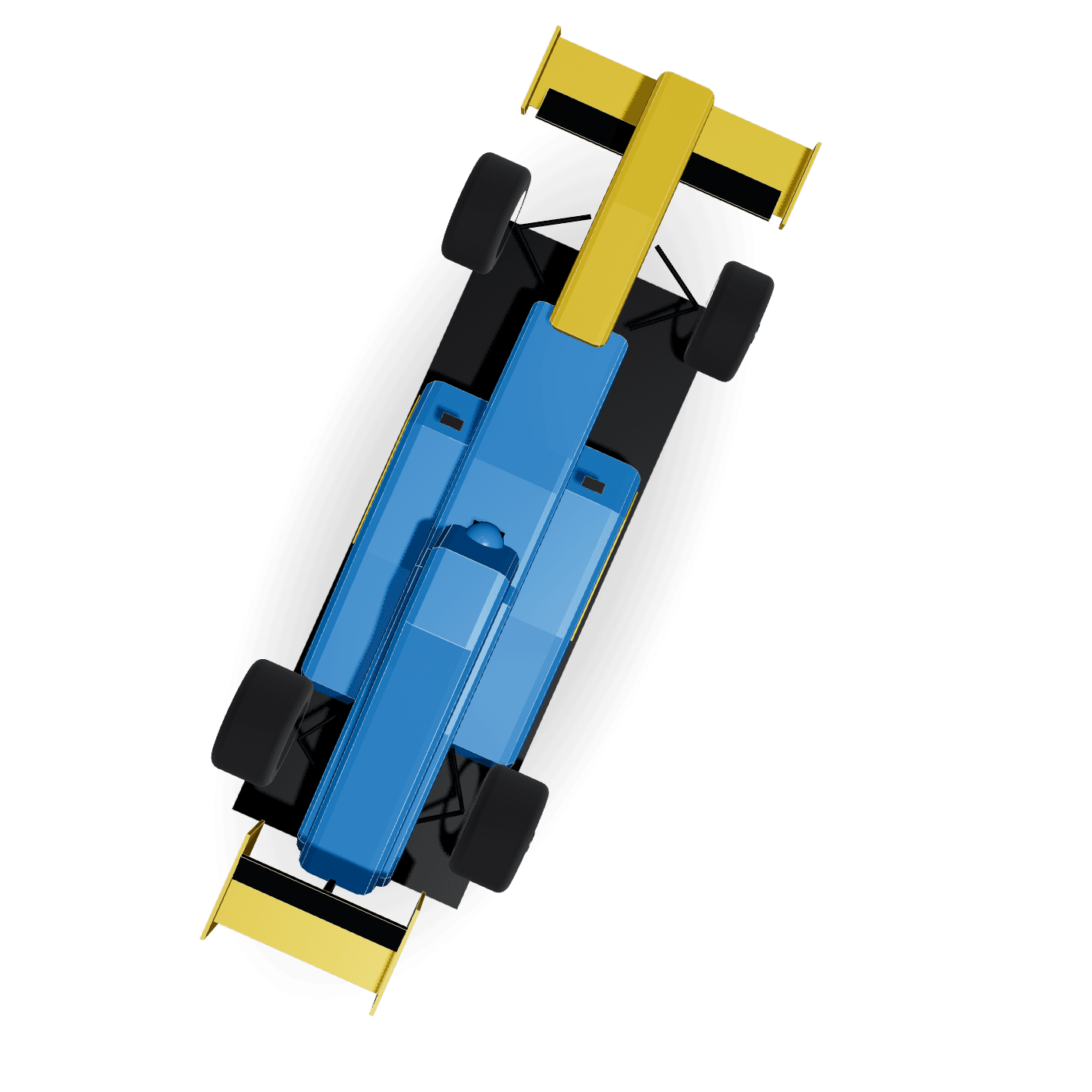
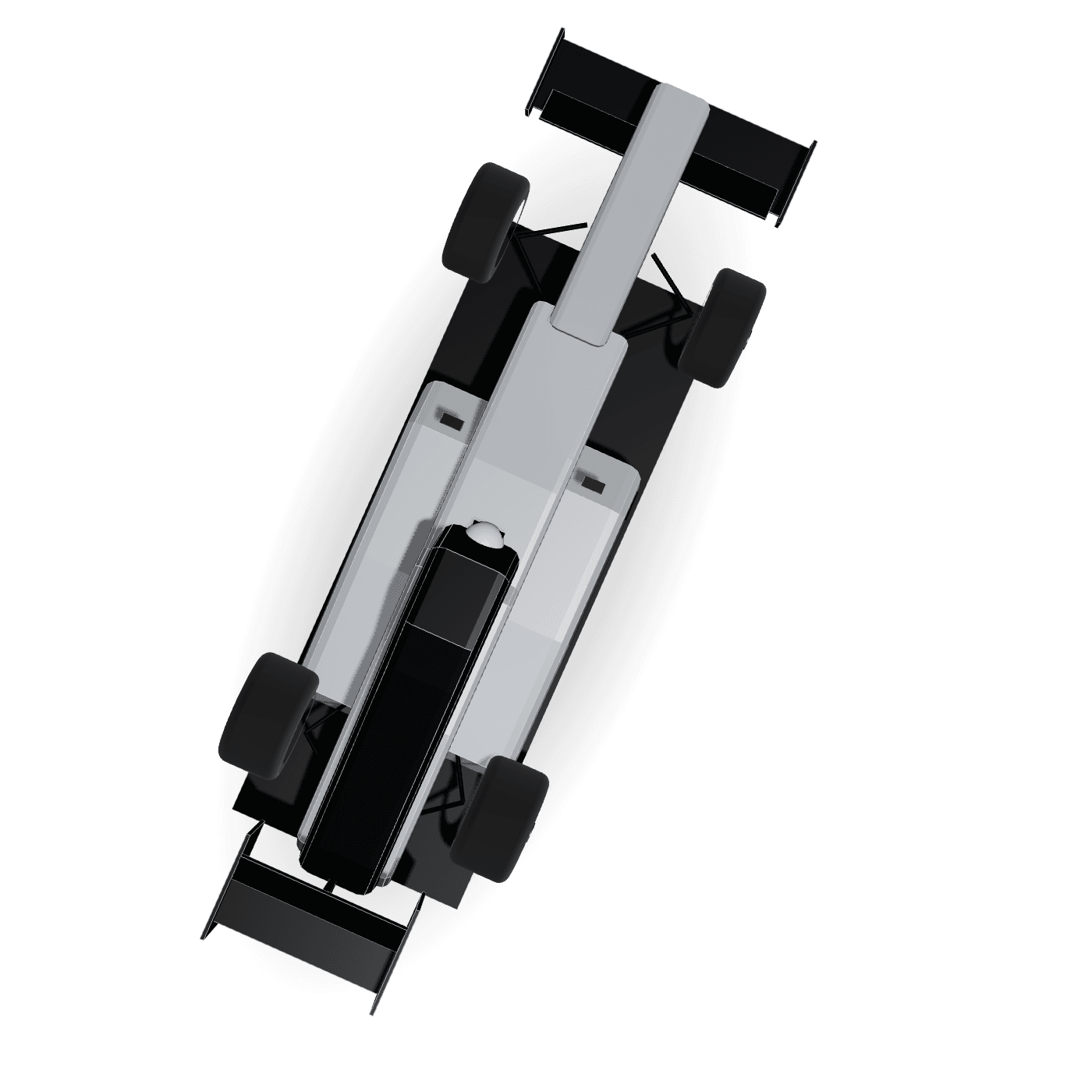
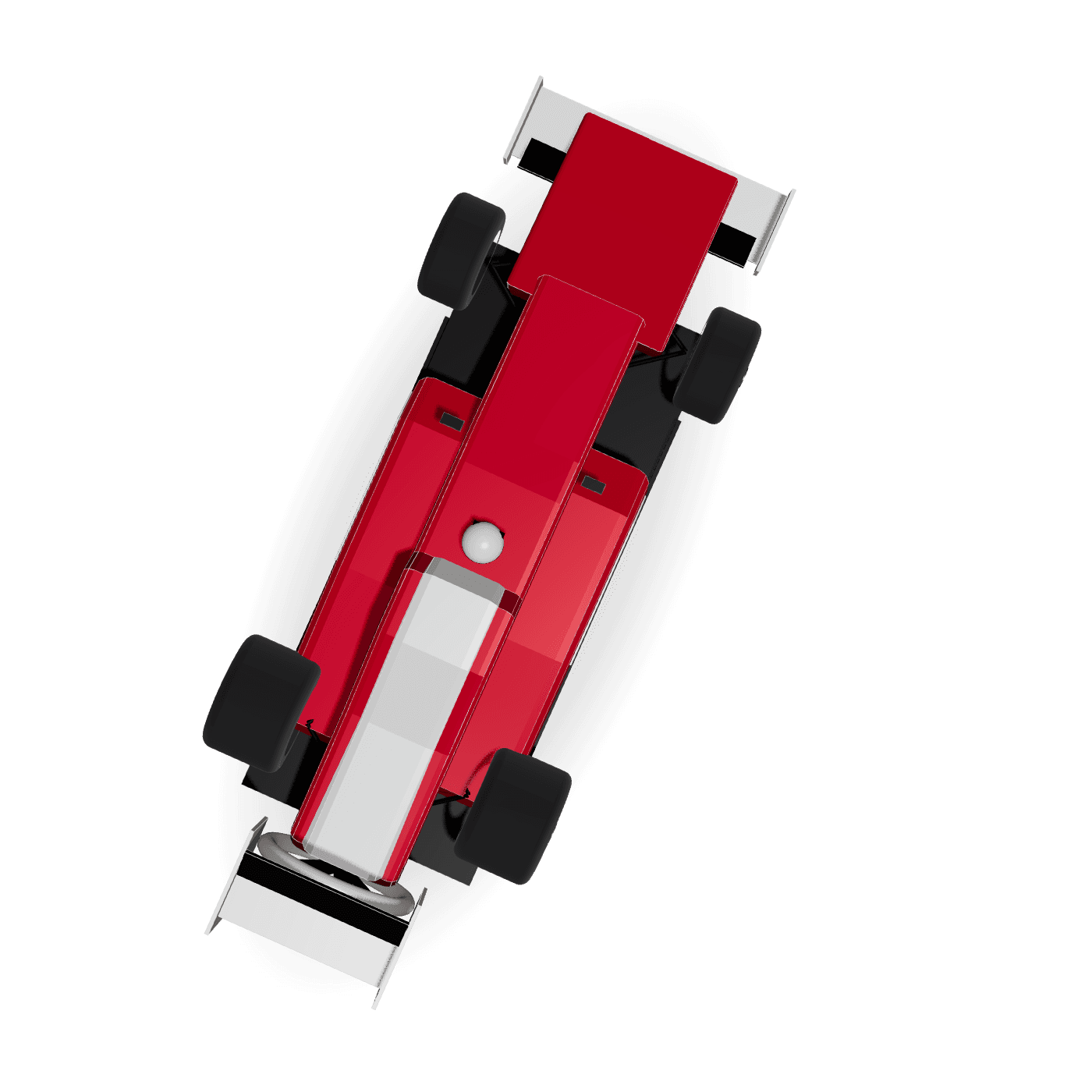
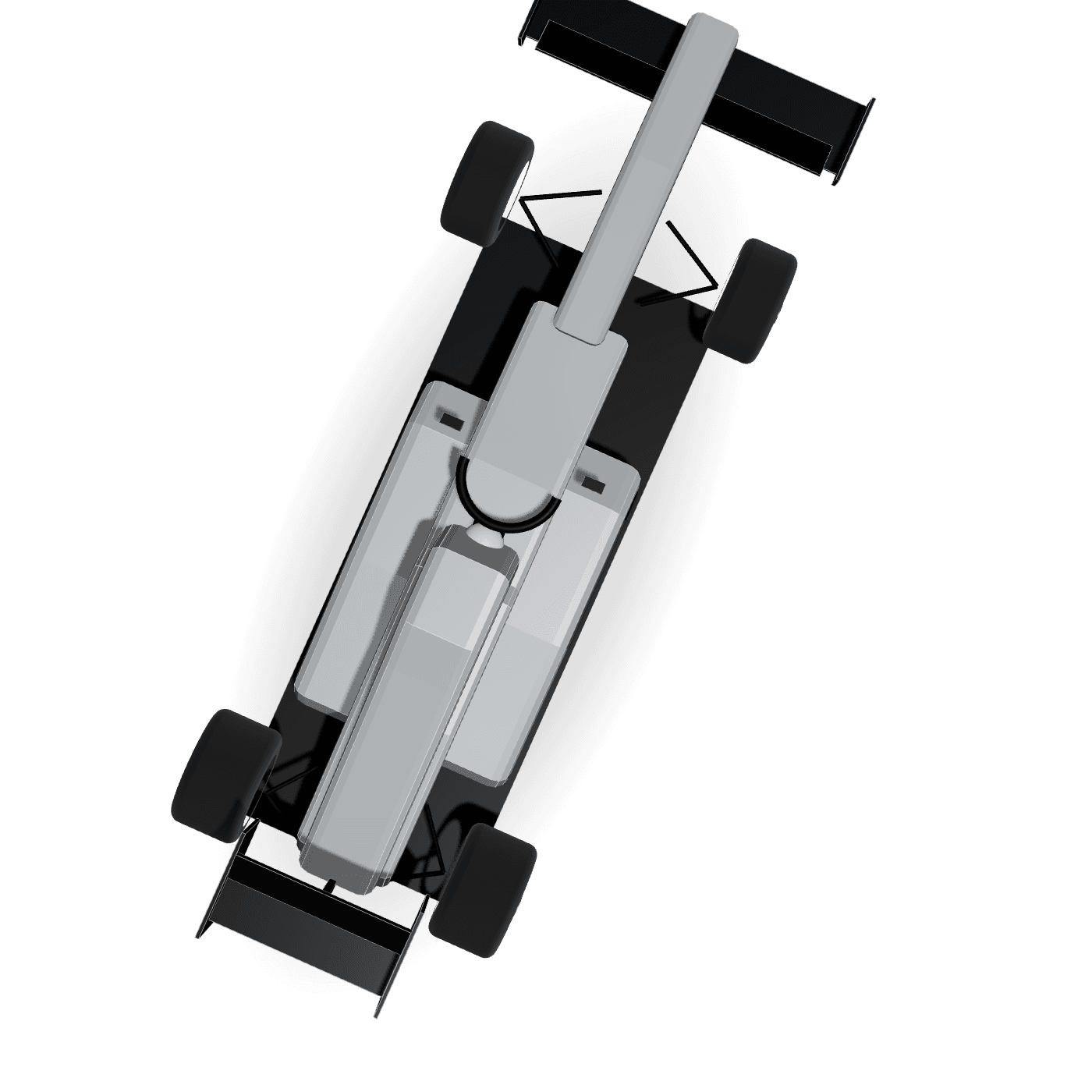
None of the six cars in this piece cheated. Every one was legal when it raced, and every one was gone within 2 seasons. One was gone 6 days after its only race.
That was the Brabham fan car, which won the 1978 Swedish Grand Prix by 34.019 seconds in June. In March 1998 McLaren finished first and second in Melbourne with everyone else at least a lap down, and its extra brake pedal was outlawed 3 weeks later. In February 2020 Mercedes revealed a steering wheel that slid in and out. It was already illegal for the following year, because the rule that killed it had been published 16 weeks earlier.
The usual fan complaint is that F1 bans winners rather than cheats. We put 3 questions to each car: whether it was legal, whether it won, and who killed it. They are ranked by how long each idea survived, and each case starts with its clock.
#6 Brawn’s double diffuser: the one time the court backed the winner
2 seasons. Honda pulled out over the winter of 2008 and Ross Brawn bought what was left for a pound coin, he says. The 2009 rules capped the diffuser at 175mm and said that, seen from below, its surfaces had to form “one continuous line”.
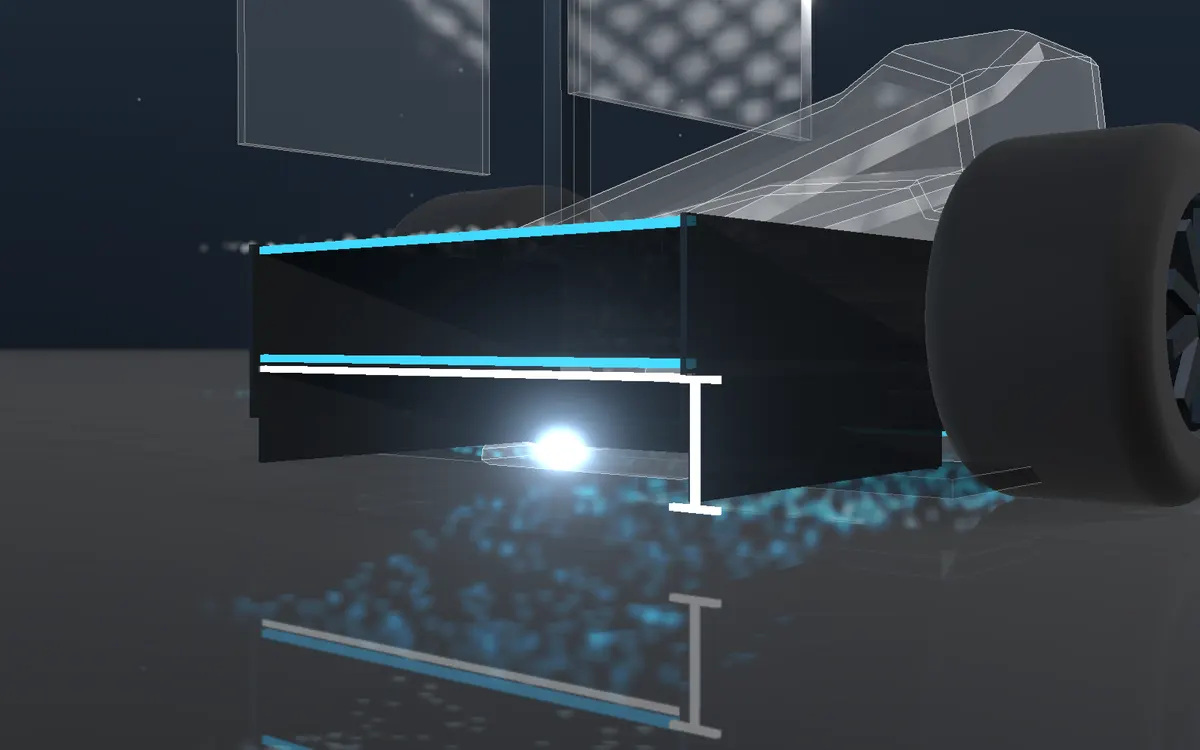
The double diffuser: the central floor stops short at the step, and the gap feeds a second, upper diffuser deck. The Court of Appeal ruled the gaps were not holes.
Source: International Court of Appeal judgment, diffusers (April 14, 2009)
Brawn’s did. But the floor stopped short at the step, and the gap fed a second diffuser stacked on top of the first. The idea came from a Honda engineer in Japan, not from Brawn alone.
Ferrari, Red Bull and Renault protested. Ferrari’s lawyer said: “Anyone with a command of English will tell you it is a hole.” The stewards disagreed, and so did the Court of Appeal. It ruled that one transition with a hole would be illegal, but “two transitions with a space between them would be permitted”. The same judgment records that many teams had used the trick before, Ferrari included.
Brawn won 6 of the first 7 races (Vettel took China) and both titles. The team put the diffuser’s value at about 0.3 seconds, while Button said the car was 1.2 seconds clear at its first test. By January 2010 the whole grid had copied it, and the teams voted the double diffuser out from 2011.
#5 Williams FW14B: F1 banned the arms race Williams was winning
Also 2 seasons, though the ban was written halfway through the first. At Silverstone in 1992 Nigel Mansell took pole 2.741 seconds clear of Ayrton Senna. Computer-controlled hydraulics held the car’s ride height and attitude fixed, so the aerodynamics were working all the time. That year the FW14B took pole at 15 of 16 races and won 10.
1993 constructors’ championship, points
Source: Formula1.com: 1993 constructor standings
A ban on active suspension and other driver aids was proposed in October 1992. It was agreed in February 1993, to start in 1994, at the same meeting that secured Williams’ place on the 1993 grid. The team had entered late and needed its rivals’ consent.
Then in June 1993 a bulletin declared active cars illegal under the existing rules, as moving aerodynamic devices. It named 12 of the 13 teams. At Hockenheim, Max Mosley and Bernie Ecclestone told the team principals to sign that night.
Adrian Newey puts it down to Ferrari: “in the middle of ‘93 Ferrari basically couldn’t get their active car to work at all, so miraculously the FIA decided to ban active suspension.” Patrick Head took a fairer view: “It was right that it was banned, though, as it did remove some skill requirements from the driver.”
Across the 2 seasons Williams took 20 wins and 30 poles from 32 races. It won the 1993 constructors’ title by 168 points to 84.
#4 Renault’s mass damper: the FIA took its own stewards to court
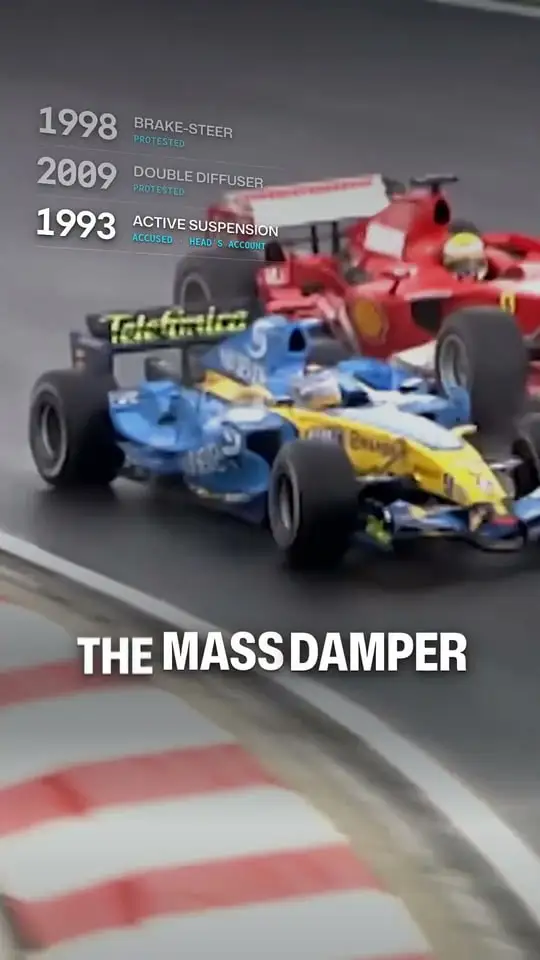
10 months of legality, by the FIA’s own account. The mass damper was a 5–10kg weight on springs in the nose, moving against the chassis to keep the front tyres and front wing steady. Autosport put its value at about 0.3 seconds a lap, which Pat Symonds called “a pretty average figure”.
Alonso’s points lead over Schumacher, 2006
Source: Formula1.com: Fernando Alonso and Michael Schumacher 2006 race results
In July 2006, with Fernando Alonso 17 points clear of Michael Schumacher, the FIA told the teams that until then “the view was held” that mass dampers were legal. Citing “an escalation in development”, it now said they weren’t.
The Hockenheim stewards disagreed and ruled the damper “permissible”. So the FIA appealed against its own stewards, and in August the Court of Appeal banned it.
Renault had already raced without it from Hockenheim onwards to protect its points. Alonso’s lead still shrank: 11 points after Germany, 2 after Monza and 0 after China, where the two were tied on 116. About 7 teams ran dampers, Ferrari included. Alonso won the title anyway, 134 to 121.
#3 McLaren’s brake-steer: spotted by a photographer, gone in 21 days
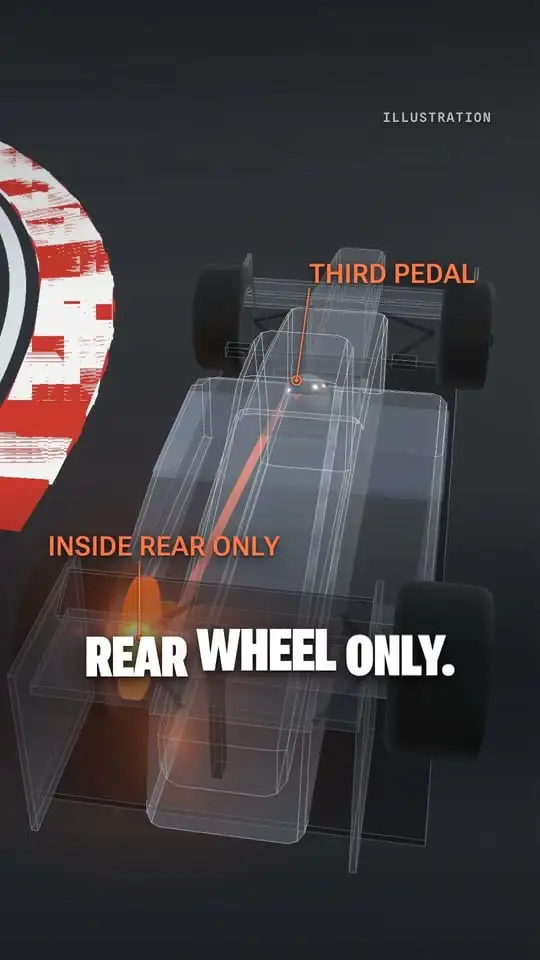
3 weeks. At the Nürburgring in 1997, photographer Darren Heath noticed a McLaren rear disc glowing on a corner exit, where nobody brakes. When Mika Häkkinen’s car retired, he pointed a long lens into the footwell and found a second pedal.
1998 Australian Grand Prix, top 3
| Pos | Driver | Team | Gap |
|---|---|---|---|
| 1 | Mika Häkkinen | McLaren-Mercedes | — |
| 2 | David Coulthard | McLaren-Mercedes | +0.702 s |
| 3 | Heinz-Harald Frentzen | Williams | +1 lap |
Source: Formula1.com: 1998 Australian Grand Prix race result
It braked one rear wheel, which pivoted the car into slow corners. Newey called it “a simple piece of plumbing” worth 0.3 seconds a lap, and said even that was “probably conservative”.
In Melbourne on March 8, 1998, Häkkinen won from David Coulthard, with third place a lap down. Ferrari protested in Brazil, backed by Sauber, Minardi, Tyrrell and Arrows.
Charlie Whiting, the FIA’s technical delegate, had told McLaren for months that he believed the system was legal. The stewards overruled him: “the opinions expressed by the technical department are opinions and not decisions.” They banned it as four-wheel steering, on a car whose rear wheels didn’t steer.
Williams and Jordan lost their systems in the same ruling. It made little difference to McLaren. Without the pedal it still went first and second in Brazil, with Schumacher a minute behind, and won both titles.
#2 Brabham’s fan car: banned on one casting vote
6 days. Brabham’s Alfa Romeo flat-12 was too wide for ground-effect tunnels, so Gordon Murray sealed the car with skirts and bolted a gearbox-driven fan to the back. The suction came from engine speed rather than road speed, so “at a hairpin you could have miles more cornering force.”
The rules banned moving aerodynamic devices only if that was their primary purpose, and Brabham said the fan was there to cool a radiator. In Sweden, 5 protests were rejected.
Niki Lauda won by 34.019 seconds, not the 34.6 often quoted. On June 22 Ecclestone, who owned Brabham and ran the teams’ association, offered to retire the car after 3 more races. The next day the CSI split 2–2 on that compromise, and chairman Pierre Ugeux used his casting vote against it. Fans were banned on safety grounds, but Lauda kept the win.
“The BT-46B was not illegal, according to the letter of the law, but the CSI banned it none-the-less.” (Denis Jenkinson, Motor Sport, August 1978)
Even Murray admits that fan cars everywhere “would have been incredibly dangerous”.
F1’s banned innovations: who pushed for each ban
Stewards or a court ruled the double diffuser, the mass damper and DAS legal. The Swedish organisers rejected all 5 protests against the fan car, and nobody ever ruled it illegal. Brake-steer had the FIA technical delegate’s approval until the stewards overruled him.
The pressure came from whoever was losing, and the name that keeps coming up is Ferrari. It formally protested brake-steer and the double diffuser. By Patrick Head’s account it was “pretty instrumental” in the active-suspension ban, and by The Race’s account it lobbied against the mass damper. Ferrari didn’t win the constructors’ title in any of those 4 seasons.
#1 Mercedes DAS: banned 16 weeks before anyone saw it
−16 weeks. At Barcelona testing on February 20, 2020, Lewis Hamilton pulled his steering wheel towards him on the straight and pushed it away to brake. Dual-axis steering changed the toe of the front wheels, and Mercedes says it was there to heat the front tyres.
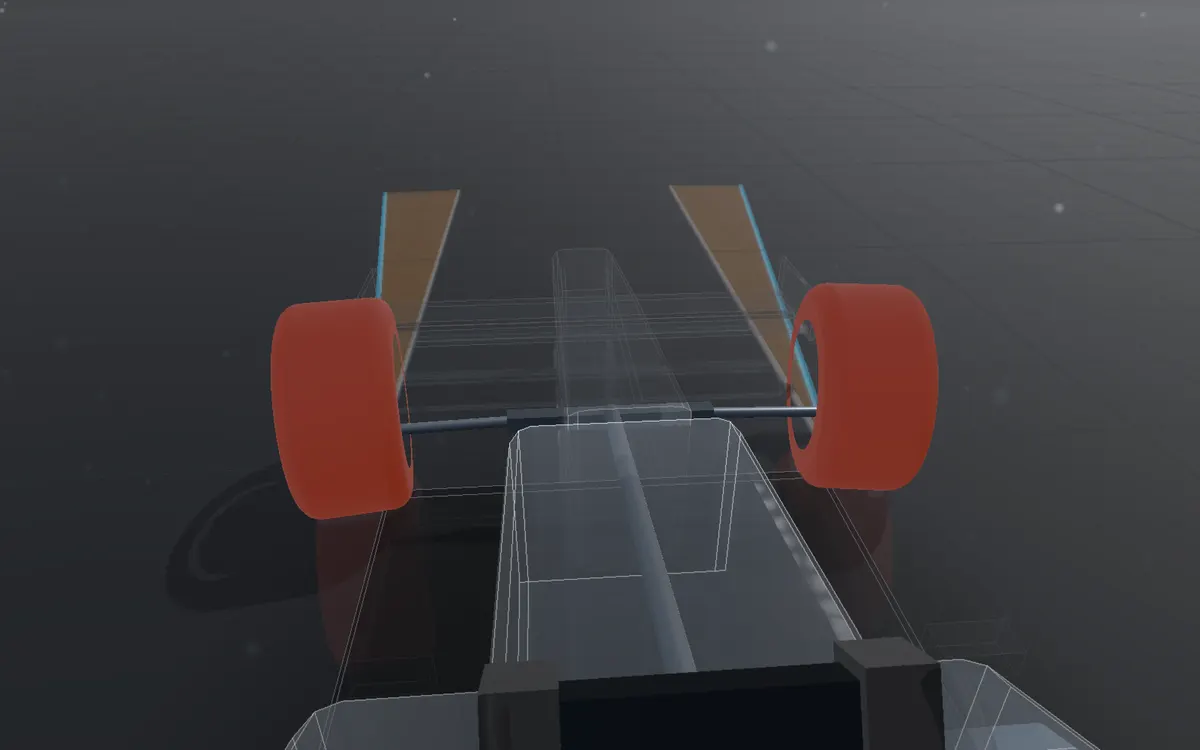
Dual-axis steering: pulling or pushing the wheel changed the toe of the front wheels. The 2021 rules, published on October 31, 2019, limited the wheel to rotation only.
Source: 2021 Formula 1 Technical Regulations (published October 31, 2019)
Red Bull protested in Austria, arguing, correctly, that it was “a tyre temperature management system”. At 00:38 the stewards ruled: “The Protest is rejected as it is not founded.” The protested car won the race.
By then DAS was already illegal for the following year. The 2021 rules, published on October 31, 2019, had banned it 112 days before the reveal. The FIA knew about it before then: Mercedes had wanted a lever version for 2019 and was told to move the whole wheel instead. Asked about the rule change, race director Michael Masi said: “I think we’ll leave it at that.”
No win can be credited to DAS. Mercedes won 13 of 17 races in 2020 and would very probably have won them without it.
Below zero, and the 2026 U-turn
The clock ran 2 seasons, 2 seasons, 10 months, 3 weeks, 6 days, then −16 weeks. None of the bans stopped a winner: 5 of the 6 teams won the constructors’ title in the season their idea was protested or banned. Killing the fan car in 1978 took a race win and a casting vote. DAS was written out of the 2021 rules before it had run in public. These days F1 also slows its champions down another way, with the smallest wind tunnel allowance on the grid.
The principle that killed the fan car and the mass damper, the ban on moving aerodynamic devices, has since been reversed. The 2026 rules require front and rear wings that switch between Straight Mode and Corner Mode.
The F-duct went the same way. It was voted out for 2011, the year DRS arrived. Ideas F1 bans have a habit of coming back as rules a few years later.
Key facts
| Brawn BGP 001 (2009) | 2 seasons. Ruled legal by the stewards and the Court of Appeal; voted out by the teams on Jan 21, 2010, from 2011 |
|---|---|
| Williams FW14B (1992) | 2 seasons, 20 wins from 32 races. Ban agreed Feb 12, 1993, for 1994; cars declared illegal in June 1993 |
| Renault R26 mass damper (2006) | About 10 months legal by the FIA’s own view. Ruled illegal on appeal on Aug 22, 2006 |
| McLaren MP4-13 brake-steer (1998) | 21 days, from the Melbourne 1–2 on Mar 8 to the Brazilian GP on Mar 29. Killed by a Ferrari-led protest |
| Brabham BT46B (1978) | 6 days. Won by 34.019 s on Jun 17; banned on Jun 23 on the CSI chairman’s casting vote |
| Mercedes W11 DAS (2020) | −16 weeks. Its 2021 ban was published on Oct 31, 2019, 112 days before the reveal |
Video chapters
- 0:001978, 1998, 2020: three cars, three bans
- 0:24Six cars, three tests: legal, won, killed by
- 1:09#6 Brawn BGP 001 double diffuser (2009)
- 3:27#5 Williams FW14B active suspension (1992)
- 6:03#4 Renault mass damper (2006)
- 8:31#3 McLaren brake-steer (1998)
- 11:00#2 Brabham BT46B fan car (1978)
- 13:52Who pushed the bans: Chapman, Ferrari, the FIA
- 15:55#1 Mercedes DAS (2020)
- 18:55The clock: 2 seasons down to −16 weeks
- 19:242026 rules make movable wings mandatory
Sources (51, 20 primary, marked ●)
- ● 2009 Formula One Technical Regulations (July 11, 2008), FIA
- ● International Court of Appeal judgment, diffusers (April 14, 2009), FIA
- ● International Court of Appeal judgment, Renault mass damper (August 22, 2006), FIA
- ● 2021 Formula 1 Technical Regulations (published October 31, 2019), FIA
- ● 2020 Austrian Grand Prix, corrected decision, protest against car 77 (Doc 23), FIA
- ● 2026 F1 Regulations, Section C (Technical), Issue 20, FIA
- ● 1978 Swedish Grand Prix race result, Formula1.com
- ● 1992 British Grand Prix qualifying, Formula1.com
- ● 1993 race results, Formula1.com
- ● 1993 constructor standings, Formula1.com
- ● 1998 Australian Grand Prix race result, Formula1.com
- ● 1998 Brazilian Grand Prix race result, Formula1.com
- ● 1998 constructor standings, Formula1.com
- ● Fernando Alonso, 2006 race results, Formula1.com
- ● Michael Schumacher, 2006 race results, Formula1.com
- ● 2006 constructor standings, Formula1.com
- ● 2009 race results, Formula1.com
- ● 2009 constructor standings, Formula1.com
- ● 2020 race results, Formula1.com
- ● 2020 constructor standings, Formula1.com
- Rivals say ‘no doubt’ diffusers illegal, Autosport
- FIA declares double diffusers legal, Autosport
- Double diffusers banned from 2011, Autosport
- Brawn GP, part two (October 2019), Motor Sport
- Busting the myth of Brawn GP’s legendary double diffuser, ESPN
- Plumbers, pound coins and politics: 6 unbelievable moments from Brawn, Formula1.com
- Mansell’s perfect ride (Patrick Head, March 2012), Motor Sport
- Month in Motor Sport (December 1992), Motor Sport
- Diary (March 1993), Motor Sport
- Banned: active suspension, RaceFans
- Grand designs: 1994 (January 2006), Motor Sport
- 14B bully (Adrian Newey, October 2009), Motor Sport
- 1993 Formula One World Championship (pole positions), Wikipedia
- The full decision by the stewards, Autosport
- FIA bans controversial damper system, Pitpass
- Renault playing it safe, grandprix.com
- Mass distraction: interview with Pat Symonds, Autosport
- The suspension trick that got the FIA to appeal against its stewards, The Race
- Brake-steer McLaren (October 2006), Motor Sport
- McLaren’s extra pedal, McLaren
- Ferrari to protest McLaren in Brazil, grandprix.com
- Politics in Brazil, grandprix.com
- Lean, mean McLaren machine, Mail & Guardian
- Swedish Grand Prix (July 1978), Motor Sport
- The Brabham-Alfa Romeo fan (August 1978), Motor Sport
- Vacuum clean (May 1998), Motor Sport
- Mercedes defends innovative steering system, ESPN
- Allison: FIA doubted Mercedes’ DAS system, Motorsport.com
- FIA on DAS safety concerns and the 2021 steering rule, Motorsport.com
- Mercedes’ DAS had untapped potential, says Allison, The Race
- Teams agree to ban F-ducts for 2011, Autosport
Spotted an error? Email contact@thesecondgrid.com with your source. Confirmed fixes go on the corrections log.
Shorts on this story, on YouTube
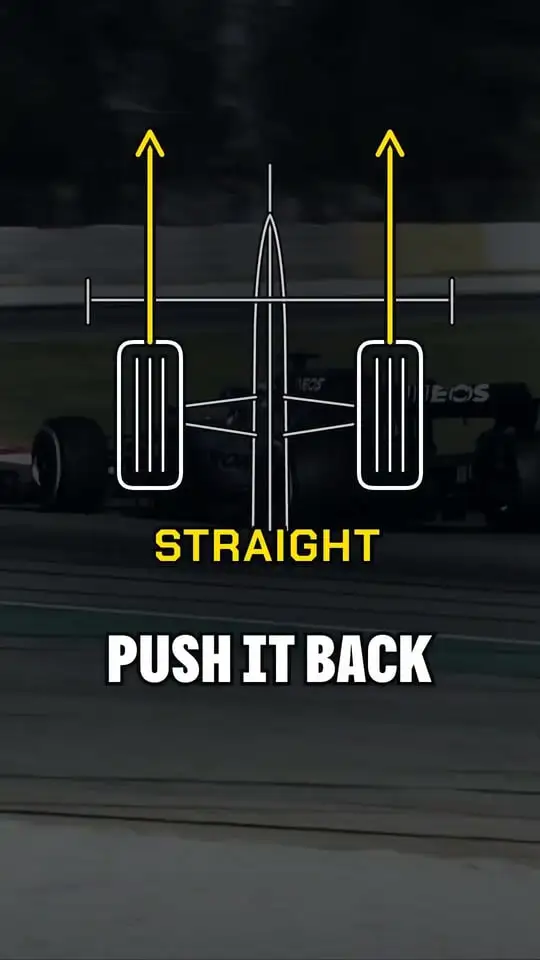
Mercedes’ dual-axis steering: the wheel that moved (Short, opens on YouTube)
Technology
Read the explainer: What was DAS in F1? Mercedes’ dual-axis steering explained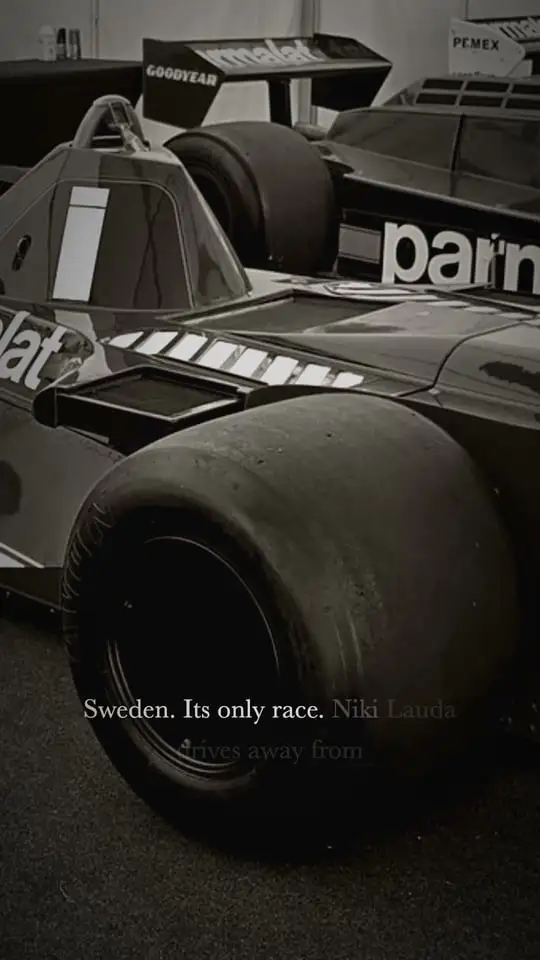
The fan car won its only race, and was never actually banned (Short, opens on YouTube)
History
Read the explainer: Was the Brabham fan car banned?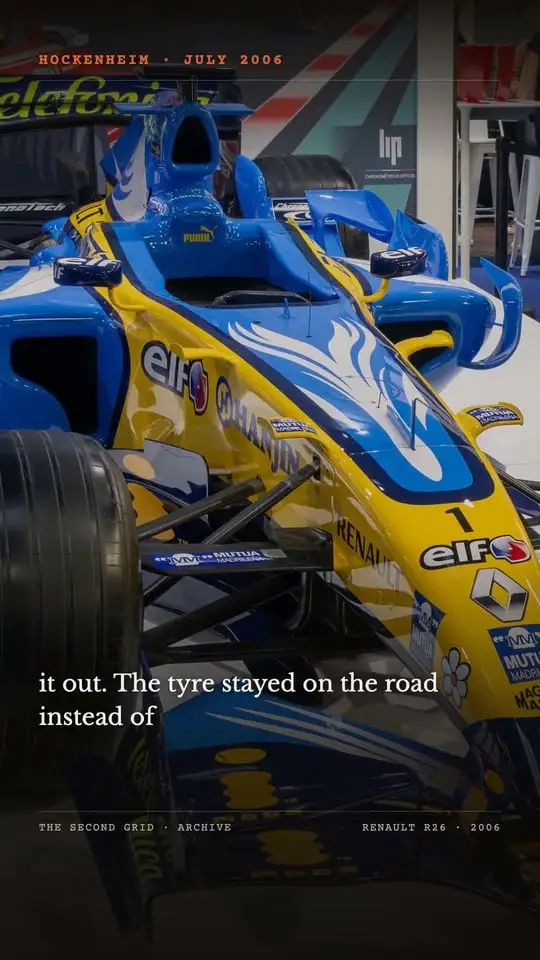
The 9 kg weight F1 banned as an aerodynamic device (Short, opens on YouTube)
Rules
Read the explainer: What was Renault’s mass damper, and why did F1 ban it?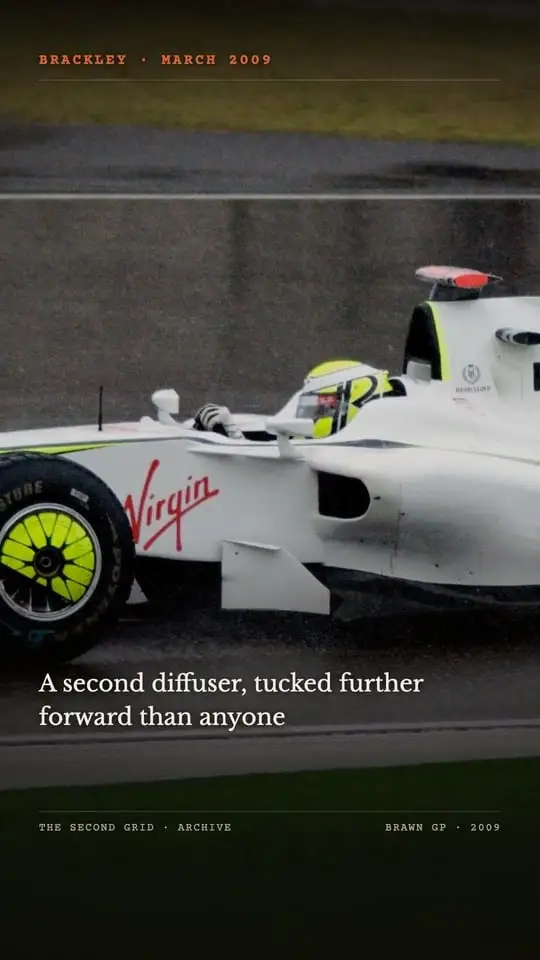
The £1 team that won both championships (Short, opens on YouTube)
History
McLaren’s brake-steer: the pedal a photographer found (Short, opens on YouTube)
Technology
Ferrari fought 4 banned F1 cars, and lost (Short, opens on YouTube)
Rules
Related
More articles
- Why did F1 ban the V10? The real reasonHistory
- Why only 6 cars raced the 2005 US Grand Prix, and F1’s other worst rulesRules & Tech
- F1 wind tunnel testing restrictions: why the champion gets the least tunnel timeRules & Tech
Read next
All articles
Was it the car or Kimi Antonelli?
Mercedes won 12 of the first 20 races of 2026, so it’s fair to ask how much of Kimi Antonelli’s title was the car.
Why F1 banned refuelling twice, and won’t bring it back
Brabham invented the modern refuelling stop in 1982.
How Verstappen nearly won from the back: Brazil GP 2026 review
Max Verstappen started the São Paulo Grand Prix 21st and finished second, 14.6 seconds behind Lando Norris, who won from pole.