Ayrton Senna’s first F1 win: Estoril 1985, and only Alboreto on the lead lap
His 17th Grand Prix, run in standing water: pole by 0.413 s, every lap led, the fastest lap, and a winning margin of 1:02.978. Only Michele Alboreto finished on the same lap.
By The Second GridChecked against 8 sources (3 primary)Updated
4 min read · 9:54 video
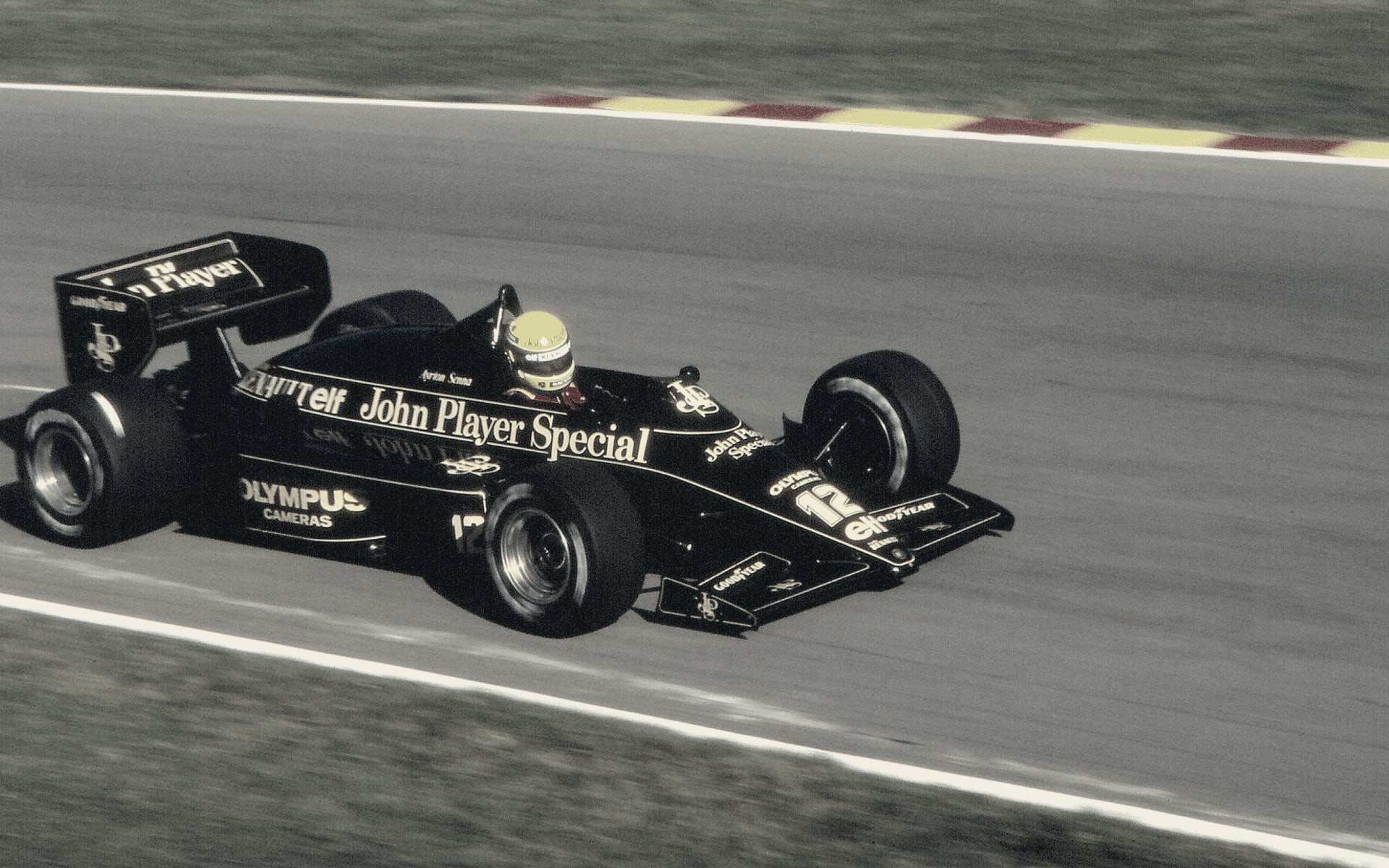
Ayrton Senna, Lotus 97T, 1985 European Grand Prix. Photo: Jerry Lewis-Evans, CC BY-SA 2.0, via Wikimedia Commons; colour-graded and cropped by The Second Grid; this adaptation is licensed CC BY-SA 2.0.
Ayrton Senna won the 1985 Portuguese Grand Prix at Estoril on 21 April, beating Michele Alboreto’s Ferrari by 1:02.978. Alboreto was the only other driver still on the lead lap. Everyone else who finished was at least 1 lap down on a 25-year-old in his 17th Grand Prix, racing in standing water, on the day he won for the first time.
A lot of Senna’s reputation rests on this drive. The official result backs it up, and in places it is more impressive than the way the story usually gets told.
A grid of champions, and Senna on pole
The 1985 field had plenty of titles in it. Niki Lauda was the reigning world champion, having beaten his McLaren team-mate Alain Prost to the 1984 crown by half a point, 72 to 71.5. Nelson Piquet had 2 titles. Keke Rosberg was the 1982 champion.
Front of the grid, 1985 Portuguese Grand Prix
| Pos | Driver | Team | Time |
|---|---|---|---|
| 1 | Ayrton Senna | Lotus Renault | 1:21.007 |
| 2 | Alain Prost | McLaren TAG | 1:21.420 |
| 3 | Keke Rosberg | Williams Honda | 1:21.904 |
Source: Formula1.com — 1985 Portuguese Grand Prix — starting grid
Prost was the man expected to win in 1985. He had not won a title yet, and he would take that year’s crown later in the season.
Senna was only a year into Formula 1. He had spent his rookie season at Toleman, a small team, and still got the car onto the podium at Monaco in the rain. For 1985 he moved to Team Lotus and the black-and-gold 97T. It had a Renault turbo in the back and was either very fast or broken, with little in between.
In the dry on Saturday it was very fast. Senna took the first pole of his career with a 1:21.007, 0.413 s clear of Prost, according to the official starting grid.
What “wet” meant at Estoril in 1985
Then it rained on race day, and it kept raining. Patrick Tambay, who finished third, told Formula1.com it was “pissing with rain from start to finish, very, very flooded everywhere”.
This was the turbo era, with no traction control and no electronics. In the dry, turbo power was an advantage. In standing water it was a problem every time the boost came in.
For the established drivers, the sensible plan was to be careful. Keep the car on the road, collect the points and wait for a day that suited the car better.
Starting from pole gave Senna a clear track with no spray in front of him. He led into the first corner and was never passed.
How the champions left the race
The race result shows the big names dropping out one by one.
Champions who did not finish
| Driver | Team | Laps completed |
|---|---|---|
| Keke Rosberg | Williams Honda | 16 |
| Nelson Piquet | Brabham BMW | 28 |
| Alain Prost | McLaren TAG | 30 |
| Niki Lauda | McLaren TAG | 49 |
Source: Formula1.com — 1985 Portuguese Grand Prix — race result
Rosberg, the 1982 champion, spun off and retired after 16 laps. Piquet, the double champion, went out after 28 laps with a tyre problem. Prost, who had started alongside Senna on the front row, retired on lap 30; according to the race record, he spun and hit the barrier. Lauda, the reigning champion, stopped after 49 laps.
The leader wasn’t enjoying it either. According to Motor Sport, Senna was seen gesticulating at the officials to stop the race, even though he was the one winning it. They kept it going.
Senna was also honest, later, about how close he came to going off:
“One time I had all four wheels on the grass, out of control… but somehow the car came back on the circuit,” he said. “Everyone said, ‘Fantastic car control’, but it was just luck — and luck, too, that TV missed it!”
So the driver behind the best wet drive of the era put part of it down to luck. For that one moment he may have been right. Luck doesn’t explain the fastest lap of the race, though, or beating a field this strong by more than a minute.
The result: only Alboreto on the lead lap
Senna set the fastest lap of the race, a 1:44.121 on lap 15, according to the official lap times. That came early, in the worst of the conditions, while the drivers behind him were still looking for grip. After that, his lead over most of the field grew from seconds into laps.
Classified finishers, 1985 Portuguese Grand Prix
| Pos | Driver | Team | Gap |
|---|---|---|---|
| 1 | Ayrton Senna | Lotus Renault | 2:00:28.006 |
| 2 | Michele Alboreto | Ferrari | +1:02.978 |
| 3 | Patrick Tambay | Renault | +1 lap |
| 4 | Elio de Angelis | Lotus Renault | +1 lap |
| 5 | Nigel Mansell | Williams Honda | +2 laps |
| 6 | Stefan Bellof | Tyrrell Ford | +2 laps |
| 7 | Derek Warwick | Renault | +2 laps |
| 8 | Stefan Johansson | Ferrari | +5 laps |
| 9 | Piercarlo Ghinzani | Osella Alfa Romeo | +6 laps |
Source: Formula1.com — 1985 Portuguese Grand Prix — race result
The race classified 9 cars. Of the 8 behind Senna, 7 were lapped. One of them was a future world champion, Nigel Mansell.
Another was Elio de Angelis in the other Lotus. He had the same car, so he was the one driver in the race who couldn’t put the gap down to his machinery.
The race didn’t run its full distance. Grands Prix were capped at 2 hours, and Estoril hit that limit after 67 of the scheduled 70 laps, at 2:00:28.006. Senna led every one of those laps.
A Grand Chelem, and Lotus’s first win since Chapman
Pole, every lap led, fastest lap and the win is what motor racing calls a Grand Chelem. It is rare in any weather. Senna managed it in his 17th start, in standing water, for his first win.
The result mattered to Lotus as well. The team hadn’t won since Elio de Angelis took Austria in August 1982. That December, Colin Chapman, who founded and built the team, died.
Estoril was the first Lotus win since Chapman’s death, as Classic Team Lotus pointed out on the race’s 40th anniversary.
Better than Donington, by his own account
In 1993, 8 years later, Senna produced the other wet drive everyone remembers: Donington, the “Lap of the Gods”. It came a season before his move to Williams. It is usually the first one people pick when they rank his best races.
Senna didn’t agree. Asked whether Donington was his finest performance, he gave Autosport an immediate answer:
“No way! I had traction control! …compared with Estoril ‘85, it was nothing, really.”
His reasoning holds up. At Donington he had electronics helping him. At Estoril he was in his second season, in a car with a temperamental turbo, and controlling the rear tyres was down to his right foot alone.
Lauda, Piquet and Rosberg were already champions when they arrived in Portugal, and Prost would be one by the end of 1985. None of the 4 saw the chequered flag at Estoril.
It took Senna 17 races to win a Grand Prix. When he finally did, only one other driver finished on the same lap.
Key facts
| Date | 21 April 1985 |
|---|---|
| Senna’s Grand Prix start | 17th |
| Pole time / margin over Prost | 1:21.007 / 0.413 s |
| Laps run | 67 of 70 (2-hour limit, 2:00:28.006) |
| Fastest lap | 1:44.121, lap 15 |
| Winning margin over Alboreto | +1:02.978 |
| Cars on the lead lap at the flag | 2 of 9 classified |
Sources (8 · 3 primary, marked ●)
- ● 1985 Portuguese Grand Prix — race result — Formula1.com
- ● 1985 Portuguese Grand Prix — starting grid — Formula1.com
- ● 1985 Portuguese Grand Prix — fastest laps — Formula1.com
- He obliterated the opposition: remembering Senna’s first F1 win — Formula1.com
- Senna’s first win — Motor Sport Magazine
- The Senna victory that outclassed Donington 93 — Autosport
- Marking the 40-year anniversary of Ayrton Senna’s first GP victory — Classic Team Lotus
- 1985 Portuguese Grand Prix — Wikipedia
Spotted an error? Email contact@thesecondgrid.com with your source. Confirmed fixes go on the corrections log.
Shorts on this story — open on YouTube

Read next
All articles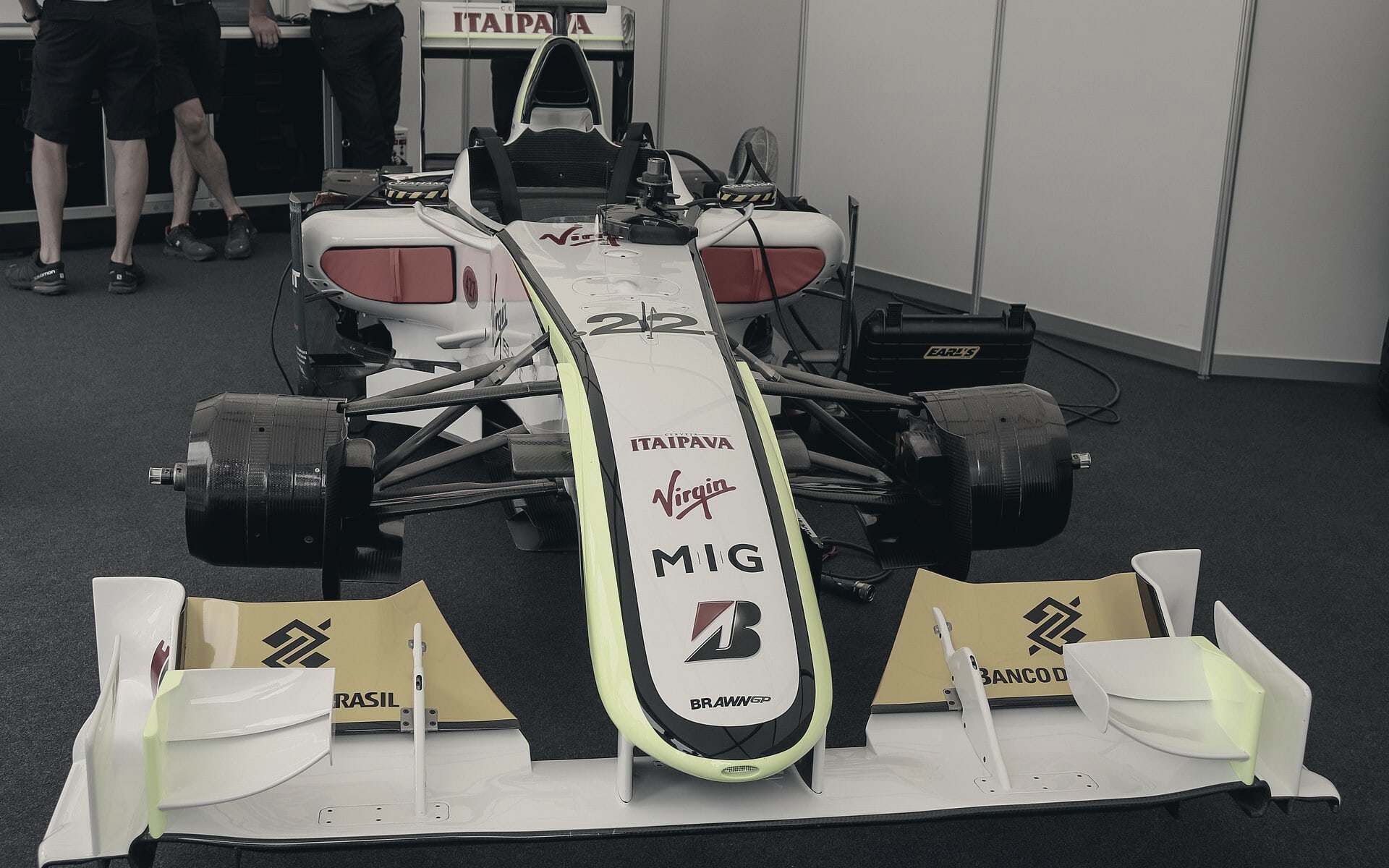
History
6 F1 what-ifs, and why 3 of them lead back to one factory in Brackley
Hamilton’s signature, Brawn’s £1 team, Rosberg’s 5 days, Verstappen’s promotion, 1 point in 2007 and Imola 1994. Half of them lead back to the same building in Brackley.
7 min read · 12:15 video
Drivers
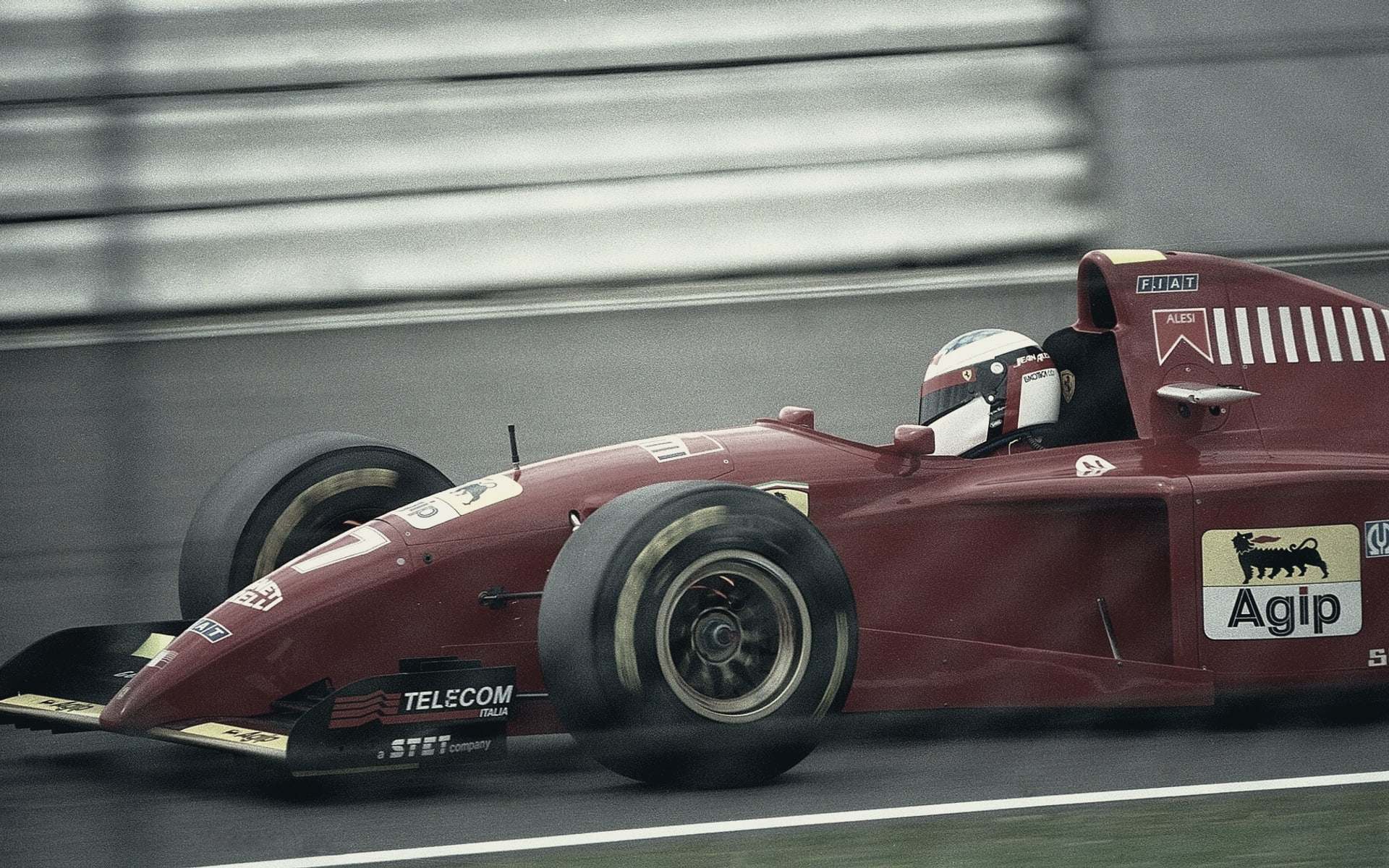
F1 drivers who never won again: 8 last wins, and the contracts signed first
Jean Alesi started 201 Grands Prix and won once. Seven other careers follow the same pattern: the last win came shortly after the driver picked a team for something other than the car.
7 min read · 11:28 video
Rules & Tech
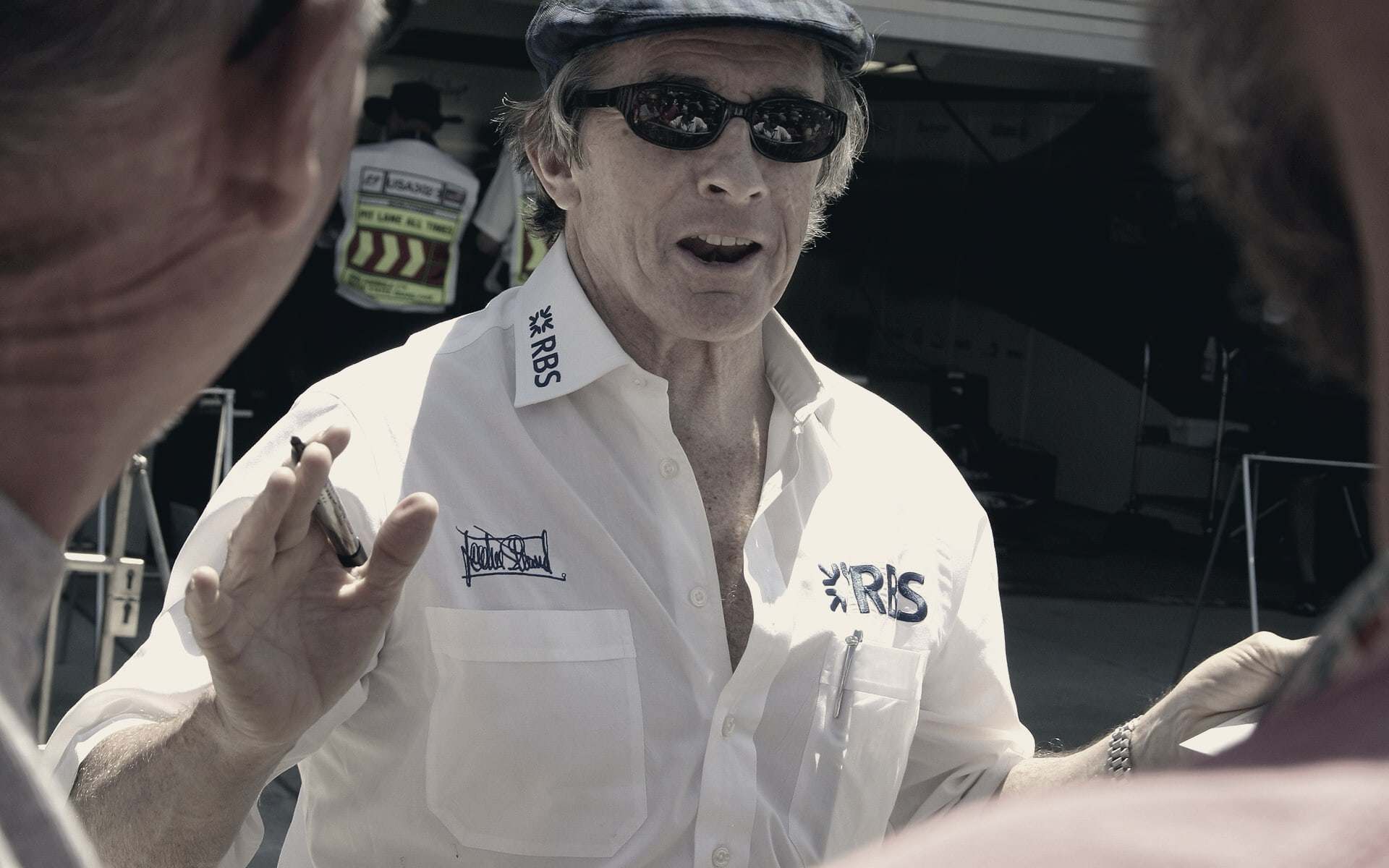
Why only 6 cars raced the 2005 US Grand Prix, and F1’s other worst rules
From Kyalami 1982 to Indianapolis 2005: 5 Formula 1 rule changes that backfired, ranked by what they cost before they were reversed. The worst kept F1 out of the United States for 4 years.
6 min read · 16:42 video